Belt Sizing Basics
Measure the belt you currently wear, noting the length from the buckle to the last hole. If you lack a belt, use your favorite jeans waist and add 2 inches for a comfortable fit. This method ensures a proper size guide for belts.!
Understanding Belt Measurements
When you’re sizing a belt, precision matters. Start by selecting a belt you already wear comfortably. Lay it flat on a surface and locate the point where the buckle’s prong meets the last usable hole. Measure from the edge of the buckle to that hole in inches. This gives you the belt’s usable length. If you don’t have a belt on hand, use a pair of jeans you wear most often. Take the waist measurement of the jeans, then add 2 inches to account for the buckle’s width and the extra slack needed for a snug fit. Remember that the total belt length includes the buckle’s protrusion, so the measurement should reflect the distance from the buckle’s back to the last hole. Always round up to the nearest half‑inch if the measurement lands on an odd number, ensuring the belt will not feel too tight. By following this systematic approach, you’ll avoid common pitfalls such as overestimating length or choosing a belt that’s too short for your style and comfort. This sizing method ensures that the belt will sit comfortably across the waist, providing both style and support without pulling or slipping, making everyday wear effortless confident.
Common Belt Size Ranges
Belts come in various lengths to accommodate different body types and fashion preferences. Manufacturers list sizes in a standard range that starts around 30 inches for petite frames and extends up to 44 inches for larger builds. Sizing is usually expressed in whole numbers, with each increment representing roughly an inch of usable length between the buckle and the last hole. For men, common sizes fall between 30 and 40 inches, while women’s belts range from 28 to 38 inches, reflecting average waist measurements. Some brands offer extended sizes up to 44 inches, ensuring taller or heavier individuals find a belt that fits comfortably without excessive slack. It’s also worth noting that belt width—typically measured in inches—can affect overall length needed to maintain a balanced appearance. Consult the brand’s size chart, as variations can occur between styles, such as casual fabric belts versus formal leather belts. By understanding typical ranges and how they relate to your measurements, you can make a more informed decision and avoid frustration of ill-fitting belts. These ranges help you choose a belt that matches your waist size preference, ensuring a look.!
Belt Width and Its Impact
Belt width, measured from edge to edge, directly influences both comfort and style. A narrow belt—typically 1.5 to 1.75 inches—pairs well with slim trousers and a minimalist aesthetic, offering a subtle visual cue that doesn’t overwhelm the waist. Conversely, a wide belt, ranging from 2 to 2.5 inches, provides a bold statement, ideal for casual or rugged looks and for those who prefer a more pronounced belt line. Width also affects the buckle’s appearance; a narrow belt can make a large buckle look disproportionate, while a wide belt can accommodate a more substantial buckle without seeming out of place. Additionally, the belt’s width must harmonize with the garment’s waistline: a wide belt on a narrow waist can create an unbalanced silhouette, whereas a narrow belt on a wide waist may appear too delicate. When selecting a belt, consider the fabric’s stretch; leather belts maintain width better than fabric, which may compress under tension. Matching width to your body shape and clothing style ensures a cohesive look and optimal fit for confidence and poise. Moreover, the choice of width can signal the wearer’s fashion intent: a slim belt is often chosen for formal occasions

Measuring Your Belt
Measure the belt you currently wear, noting the length from buckle to last hole. If no belt, use your favorite jeans waist and add 2 inches for a comfortable fit and adjust your waist now.!!! and ensure the belt sits snugly now.!!!
Using an Existing Belt
Start by selecting a belt you already own that fits comfortably and is in good condition. Lay the belt flat on a clean surface, ensuring it is straight and free of wrinkles or folds. Measure the distance from the center of the buckle’s eye to the end of the belt’s last usable hole. This measurement represents the belt’s usable length. If the belt has a hidden or extra hole near the end, include that in your measurement to account for potential future adjustments. Once you have the length, compare it to your current waist measurement or the waist size of a pair of jeans you frequently wear. If the belt’s length is shorter than your waist size, you may need a longer belt; if it’s longer, you might consider a belt with fewer holes or a tighter fit. It’s essential to remember that the belt’s width also affects how it sits on your waist, so a narrow belt may feel looser than a wide one even if the lengths are identical. By carefully measuring your existing belt, you establish a reliable baseline that can be cross‑referenced with standard belt size charts or online sizing tools to ensure you purchase a belt that not only fits your waist but also complements the style and width of your wardrobe. This method provides a practical, hands‑on approach to belt sizing that many find more accurate than relying solely on numerical size charts or brand‑specific guidelines.
Using Your Jeans Waist
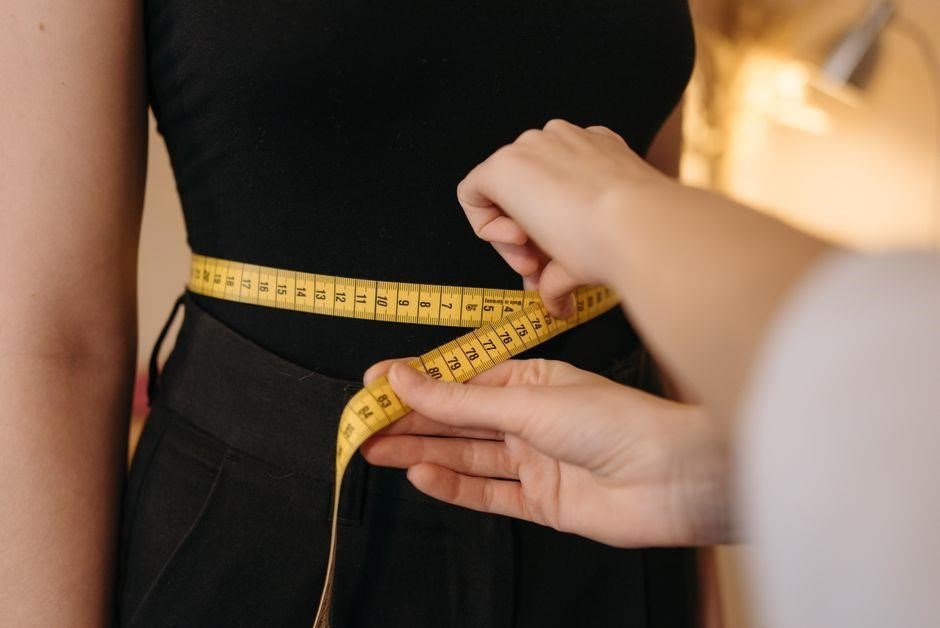
Begin by selecting a pair of jeans that you wear most often and that fit comfortably around your waist. Measure the waist of the jeans at the point where the belt normally sits, using a flexible tape measure. Record the measurement in inches. To translate this waist size into a belt length, add two inches to account for the buckle and the extra slack needed for a secure fit. This simple adjustment aligns the belt length with the waist measurement, ensuring that the belt will accommodate the buckle and any future changes in your waist size. Once you have the adjusted measurement, compare it to standard belt size charts or the sizing guide provided by the manufacturer. Most belt manufacturers offer a conversion table that translates waist measurements into belt lengths, typically ranging from 30 to 44 inches. If your adjusted measurement falls between two standard sizes, choose the larger size to avoid a tight fit that could cause discomfort or damage the belt. Additionally, consider the belt’s width and material; a wider leather belt may feel tighter than a narrower fabric belt even if the lengths are identical. By using your jeans waist as a baseline and adding the recommended extra length, you can confidently choose a belt that fits well and provides support and feels! for everyday wear.
Adding the Correct Extra Length
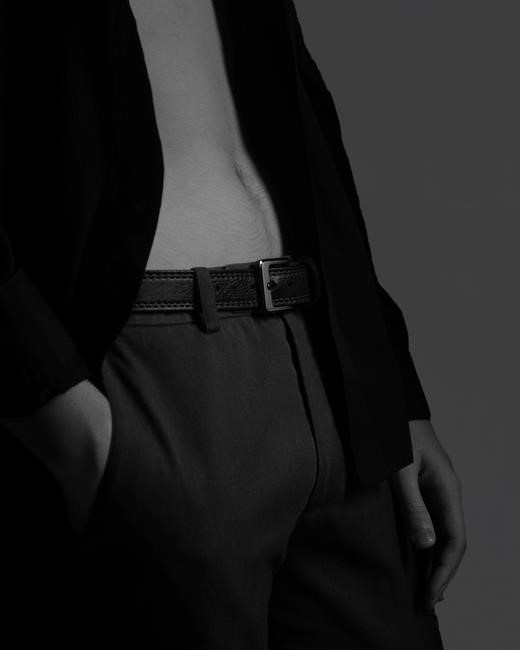
When determining the extra length to add to your belt measurement, start by measuring the waist of the jeans you use as a reference. Record that measurement in inches. The standard recommendation from many sizing guides, including Popov Leather’s belt sizing guide, is to add 2 inches to the waist measurement; This addition accounts for the buckle’s width and the slack needed for a comfortable fit. After adding the 2‑inch increment, compare the resulting figure to the belt size chart provided by the manufacturer. If the adjusted measurement falls between two standard belt lengths, choose the larger size to avoid a tight fit that could cause discomfort or damage the belt. For example, if your jeans measure 32 inches, adding 2 inches yields a 34‑inch belt length. This method ensures a proper fit and aligns with the guidelines for a perfect belt fit, as noted in the Popov Leather sizing guide. Remember to double‑check the final length against the belt’s width and material, as wider belts may feel tighter than narrower ones even when the lengths match. By following this simple 2‑inch rule, you’ll achieve a belt that fits comfortably throughout the day.

Belt Types and Buckle Sizes
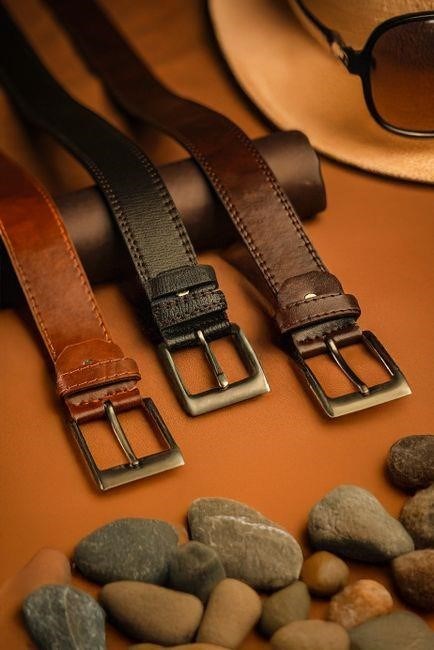
Leather belts provide durability and a classic while fabric belts offer flexibility and style; Buckle sizes range from 7 to 12; choose the right width for slim or wide belts to fit comfortably.!!!
Leather vs Fabric Belts
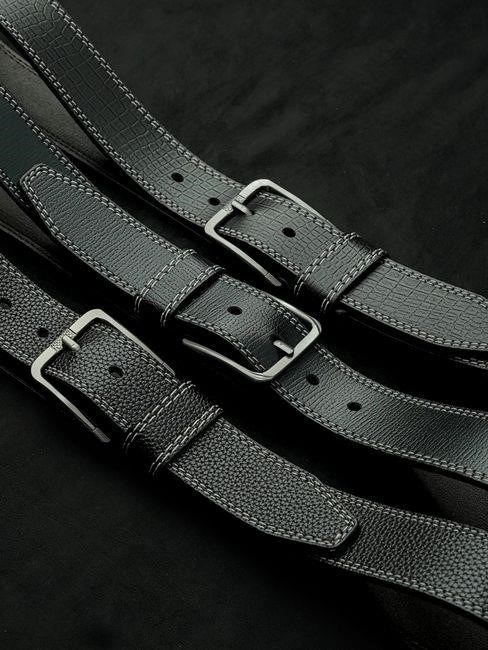
Leather belts are prized for their durability, classic look, and ability to develop a unique patina over time. Their rigid structure keeps them from stretching, ensuring a consistent width that matches the measured length precisely. Fabric belts, on the other hand, offer flexibility and a lighter feel, making them ideal for casual wear or for those who prefer a softer material. Because they can stretch slightly, fabric belts may require a slightly longer measurement to maintain the same fit as a leather counterpart. When selecting a belt, consider the intended use: leather belts excel in formal settings and provide a polished silhouette, while fabric belts shine in relaxed environments and can be more forgiving for everyday wear. Additionally, leather belts often come with a variety of buckle styles—classic metal, polished brass, or even custom designs—while fabric belts typically feature simpler, more understated buckles that complement their casual aesthetic. Ultimately, the choice between leather and fabric hinges on durability, style preference, and the level of comfort you desire for your daily wardrobe. Moreover, leather belts often carry higher price tag, reflecting their premium quality and craftsmanship. They also carry timeless appeal. and style. !
Standard Buckle Sizes (7-12)
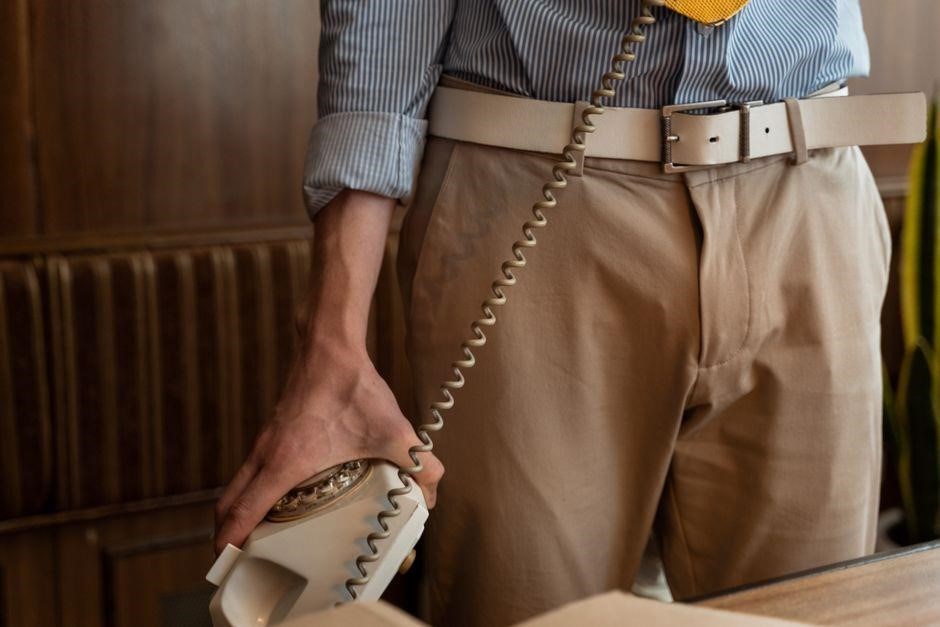
Standard buckle sizes for men’s belts typically range from 7 to 12 inches, measured from the center of the buckle to the end of the strap. A size 7 belt is common for waist measurements up to 32 inches, while a size 8 fits up to 34 inches, and so on. The size number corresponds to the length of the belt’s strap, not the width. For example, a 9‑inch buckle belt will usually be 9 inches long from the buckle’s center to the tail. When shopping, it’s essential to check the manufacturer’s size chart, as some brands use a slightly different numbering system or add an extra half inch for a more relaxed fit. If you’re between sizes, choose the larger number to avoid a tight fit that may cause the belt to slip or the buckle to strain. Always remember to account for the belt’s width when selecting a buckle; a wide leather belt may require a larger buckle to accommodate the strap’s thickness and maintain a balanced appearance. By understanding these standard buckle sizes and how they relate to waist measurements, you can confidently choose a belt that offers both comfort and style. When choosing a buckle, match the belt’s material, heavier leather belts pair larger buckles for now balance.
Adjusting for Slim vs Wide Belts
When selecting a belt, the strap’s width significantly influences the overall fit and comfort. Slim belts, typically 1.5–2 inches wide, are designed for a sleek, modern look and pair best with narrower waistbands or slim‑cut trousers. Wide belts, ranging from 2;5–3 inches, provide a more pronounced visual anchor and are ideal for relaxed or straight‑cut styles. To adjust for width, first measure the belt’s actual width at the midpoint. If the belt is slimmer than the wearer’s waistband, add an extra half‑inch to the belt length to compensate for the reduced bulk; this prevents the belt from feeling too tight or causing the buckle to sit unevenly. Conversely, a wide belt may require a slightly shorter length—subtract a quarter‑inch—so the strap does not appear stretched or create an oversized loop. Additionally, consider the buckle’s width: a slim belt often benefits from a narrower buckle (size 7–8), while a wide belt pairs well with a broader buckle (size 9–10) to maintain proportional balance. Always test the belt on the intended garment, ensuring the loops align evenly and the belt’s tension feels natural. This width‑aware adjustment ensures a polished silhouette and optimal comfort across all belt styles. Stays snug all day!

Practical Tips for a Perfect Fit
Measure your belt length by adding 2 inches to your jeans waist if you lack a belt. Try on multiple sizes to find the snugest fit. Check that the loops align evenly and the belt feels comfortable before finalizing. Stay comfy. 24.
Trying On Different Sizes
When you’re hunting for the right belt, start by measuring the one you already wear. Pin the belt to your waist and note the distance from the buckle to the last hole; that gives you a baseline length. If you don’t have a belt handy, take your favorite pair of jeans, record the waist measurement, and add 2 inches to account for the buckle’s extra span. With that figure in hand, shop a range of sizes that bracket the number you’ve calculated. Slip on each candidate and fasten it at the middle hole—this spot usually offers the most natural tension. Pay attention to how the belt sits: it should rest comfortably without digging into the skin or feeling slack. If you find a belt that’s slightly longer, you can trim the tail or use a smaller buckle; if it’s a touch shorter, it may still work if the middle hole aligns well with your waist. Trying on several options lets you compare how the belt’s width and material feel against your body and clothing. Finally, remember that a belt that fits well today may need a new buckle or a slight adjustment as your body changes, so keep a few sizes in your wardrobe for future reference.Remember to keep your belt in good condition. !
Checking the Loops and Holes
When you’ve selected a belt that matches your measured length, inspect the loop and hole arrangement to confirm a proper fit. A belt should have evenly spaced holes that align with the buckle’s eyelets; any uneven spacing can cause the belt to sit unevenly on your waist. Count the number of holes from the first to the last; a standard belt typically has 8–12 holes, but some premium styles offer 14 or more for extra flexibility. Ensure the last hole is at least one inch beyond the buckle’s end to allow for future adjustments. Check that the belt’s width matches the width of your belt loops—if the belt is too wide, it may not slide through the loops smoothly, leading to a tight or loose feel. Finally, examine the material of the holes: leather belts often have reinforced holes that resist fraying, whereas fabric belts may have stitched or rubberized holes for durability. Proper loop and hole inspection ensures longevity and comfort, preventing premature wear or accidental slippage during everyday use. Check that the buckle aligns with your preferred style for a comfortable fit.
Adjusting Belt Length for Comfort
Start by determining the optimal length for your waist: measure the belt you currently wear or use your jeans waist plus two inches if you lack a belt. Once you have the base length, consider the buckle’s position—most people prefer the belt to rest just above the middle of the belt loop, allowing for a snug but not restrictive fit. If you find the belt feels tight, add a half-inch increment and re‑measure; if it’s too loose, remove a half-inch. For a more precise adjustment, use a small piece of masking tape on the belt’s underside to mark the desired length before cutting or trimming. Always leave at least one inch of excess beyond the buckle’s eye to accommodate future waist changes or to allow the belt to slide comfortably through the loops. When adjusting, check that the belt’s width remains consistent with the loop width; a belt that is too wide may require a different loop or a narrower belt. Finally, test the belt in motion—walk, sit, and stand to ensure it stays in place without slipping or digging into the skin. A well‑adjusted belt not only looks sleek but also supports your posture and keeps your trousers in place.
Common Mistakes and How to Avoid Them
Common errors include overestimating belt length, ignoring width consistency, and misreading charts. Avoid them by measuring your current belt, adding 2 inches to your jeans waist if needed, and ensuring belt width matches loop size
Overestimating Belt Length
Many shoppers mistakenly believe a longer belt will automatically fit more comfortably. However, this approach can lead to a belt that is too long, causing it to bunch up or slide off the buckle. The key to avoiding this mistake is to measure the belt you currently wear, noting the exact length from the buckle to the last hole. If you do not have a belt to measure, use your favorite pair of jeans and add 2 inches to the waist measurement. This simple addition accounts for the difference between waist size and belt length, ensuring a snug fit without excess slack. Additionally, always consider the belt’s width; a wide belt may require a slightly shorter length to maintain the same tension as a narrow belt. By following these steps, you can confidently select a belt that fits properly and stays in place throughout the day.
A frequent mistake is thinking a longer belt will fit better. In truth, an oversized belt can look sloppy and slip off the buckle. Measure the belt you wear now, noting the distance from buckle to last hole; if you lack a belt, add 2 inches to your jeans waist. This simple tweak keeps the belt snug and secure. This method prevents excess slack today.
Ignoring Belt Width Consistency
When selecting a belt, many shoppers overlook the importance of width consistency between the belt and the belt loops on their pants. Belt width refers to the measurement from one edge of the belt to the other, typically ranging from 1.25 inches for slim belts to 1.75 inches or more for wide, casual styles. If you choose a belt that is too narrow for wide loops, the belt will not sit flush against the fabric, creating a visible gap and potentially causing the belt to slip. Conversely, a belt that is too wide for narrow loops can become unmanageable, forcing you to use a buckle with a larger opening or to adjust the belt’s length inappropriately. This mismatch can also affect the overall aesthetic of your outfit, as a belt that does not align with the loop width can appear disproportionate or poorly tailored. To avoid these issues, always check the width of your belt loops before purchasing a new belt. If your loops are 1.5 inches wide, a belt of the same width will provide a clean, secure fit. If you are unsure, most retailers will list belt width in the product description, and you can also measure the loop width with a ruler or measuring tape. By ensuring width consistency, you can maintain a polished look, prevent belt slippage, and uphold the integrity of your wardrobe’s silhouette.
Misreading Size Charts
Size charts for belts can be confusing, especially when brands use different measurement systems or omit key details. Many shoppers mistakenly rely on waist size alone, ignoring the belt’s actual length, which is measured from the buckle to the last hole. Some charts list “size” as a number (e.g., 7, 8, 9) that corresponds to the length in inches, while others use a numeric code that matches the wearer’s waist in inches plus a fixed addition. A common error is to select a belt based on the waist number without accounting for the extra length needed to thread through the loops and secure the buckle. Another pitfall is misinterpreting the “length” column, which often reflects the total belt length, not the usable length. Retailers may also present charts in metric units, leading to rounding errors when converting to inches. To avoid misreading, always cross‑check the belt’s actual length against the size chart, and confirm whether the chart’s “size” refers to the belt’s length or the wearer’s waist. If in doubt, measure your current belt and compare its length to the chart’s values, ensuring you choose a belt that will fit comfortably without excess slack or tightness.