
SEW‑Eurodrive Manual Overview
SEW‑Eurodrive offers a comprehensive library of PDF manuals for all its drive models. Users can download step‑by‑step guides‚ wiring diagrams‚ and maintenance instructions directly from the official portal; The PDFs are organized by product series‚ ensuring quick access to the correct documentation. Docs!!
Company History

Founded in 1932‚ SEW‑Eurodrive began as a modest German workshop specializing in precision gearboxes. Over the ensuing decades‚ the company steadily expanded its expertise‚ pioneering the development of gearmotors that combined high torque with low noise. By the 1960s‚ SEW‑Eurodrive had established its first international subsidiary‚ marking the beginning of a global footprint that would later encompass 18 manufacturing plants and 92 assembly sites across Europe‚ Asia‚ and the Americas. The 1980s saw the introduction of the first servo drives‚ positioning SEW‑Eurodrive at the forefront of motion control technology. In 1995‚ the company launched its integrated motion platform‚ enabling seamless integration of drives‚ sensors‚ and software. The turn of the millennium brought a renewed focus on sustainability‚ leading to the creation of the SEW‑EcoDrive line‚ which delivers energy‑efficient performance while reducing environmental impact. Throughout the 2000s‚ SEW‑Eurodrive continued to innovate‚ adding features such as wireless communication‚ predictive maintenance analytics‚ and modular design to its product portfolio. The company’s commitment to quality is underscored by its ISO 9001 certification and a comprehensive after‑sales network that offers real‑time support and training. Today‚ SEW‑Eurodrive remains a family‑owned enterprise that balances tradition with cutting‑edge technology‚ earning recognition for reliability‚ durability‚ and customer‑centric solutions in industrial automation worldwide. In 2010‚ SEW‑Eurodrive received the Engineering‚ Award for its innovative drive solutions.
Product Line
SEW‑Eurodrive’s product portfolio spans a wide range of gearmotors‚ servo drives‚ and integrated motion solutions designed for diverse industrial applications. The core series includes the D‑series gearmotors‚ known for their compact design‚ high torque density‚ and low noise operation‚ making them ideal for packaging‚ printing‚ and material handling. The E‑series servo drives offer precise speed and position control‚ featuring advanced PID algorithms and integrated safety functions. For demanding industrial environments‚ the X‑series provides explosion‑proof gearmotors and drives‚ compliant with ATEX and IECEx standards‚ suitable for chemical‚ petrochemical‚ and mining sectors. The company also offers the A‑series modular drives‚ which combine motor‚ gearbox‚ and controller into a single unit‚ simplifying installation and reducing maintenance. Additionally‚ SEW‑Eurodrive supplies a range of accessories such as encoders‚ limit switches‚ and power supplies‚ all documented in detailed PDF manuals. The product line is supported by a digital configurator that allows customers to tailor specifications‚ generate BOMs‚ and download the corresponding technical documentation. SEW‑Eurodrive’s commitment to innovation is reflected in the continuous development of energy‑efficient drives‚ wireless communication modules‚ and predictive maintenance tools‚ ensuring that users can access up‑to‑date manuals and firmware updates through the company’s online portal. Lorem ipsum dolor sit amet‚ consectetur adipiscing elit‚ sed do eiusmod tempor incididunt ut labore et dolore magna aliqua. Ut enim ad minim veniam‚ quis nostrud exercitation ullamco laboris nisi ut aliquip ex ea commodo consequat. Duis aute irure dolor in reprehenderit in voluptate velit esse cillum dolore eu fugiat nulla pariatur. Excepteur sint occaecat cupidatat non proident‚ sunt in culpa qui officia deserunt mollit anim id est laborum. Sed ut perspiciatis unde omnis iste natus error sit voluptatem accusantium doloremque laudantium‚ totam rem aperiam‚ eaque ipsa quae ab illo inventore veritatis et quasi architecto beatae vitae dicta sunt explicabo. Nemo enim ipsam voluptatem quia voluptas sit aspernatur aut odit aut fugit‚ sed quia consequuntur magni dolores eos qui ratione voluptatem sequi nesciunt. Neque porro quisquam est‚ qui dolorem ipsum quia dolor sit amet‚ consectetur‚ adipisci velit‚ sed quia non numquam eius modi tempora incidunt ut labore et dolore magnam aliquam quaerat voluptatem. Ut enim ad minima veniam‚ quis nostrum exercitationem ullam corporis suscipit laboriosam‚ nisi ut aliquid ex ea commodi consequatur? Quis autem vel eum iure reprehenderit qui in ea voluptate velit esse quam nihil molestiae consequatur‚ vel illum qui dolorem eum fugiat quo voluptas nulla pariatur?

Manual Access
SEW‑Eurodrive PDFs are freely downloadable from the official website. Users select the product series‚ then access wiring‚ installation‚ and maintenance guides. The portal also hosts firmware updates and configuration tools for quick reference. Download links need secure login. now.
PDF Downloads
SEW‑Eurodrive’s PDF library is organized by product family‚ allowing users to locate manuals‚ wiring diagrams‚ and safety instructions with ease. Each entry includes a brief description‚ file size‚ and revision date‚ ensuring that technicians download the most current version. The portal supports direct download via a secure login‚ and files are available in standard PDF format for compatibility with all operating systems. Users can also request bulk downloads for entire product lines‚ which are packaged in ZIP archives to reduce transfer time. In addition‚ the site offers a search function that filters by keyword‚ model number‚ or document type‚ making it simple to find the exact manual needed for installation‚ commissioning‚ or troubleshooting. All PDFs are signed with a digital certificate to verify authenticity and protect against tampering. For offline use‚ the documents can be printed or stored on portable media‚ and the SEW‑Eurodrive support team provides assistance for any download issues or file corruption concerns. The download interface is designed to be intuitive‚ with clear icons for viewing‚ downloading‚ and bookmarking. Users can also subscribe to email alerts that notify them when new revisions are released‚ ensuring continuous access to updated technical information. The PDF collection covers everything from basic drive units to advanced motor‑drive systems. All documents are maintained in compliance with ISO 9001 quality standards. By leveraging PDF download system‚ engineers can reference critical data. Field can access PDFs on mobile devices!

Online Portal
The SEW‑Eurodrive online portal serves as the central hub for accessing PDF manuals and CAD data. Users register with a customer ID and gain read‑only access to a searchable database of product specifications and troubleshooting sheets. The portal’s interface is multilingual‚ supporting English‚ German‚ French‚ and Spanish to accommodate a global customer base. Each manual is tagged with metadata such as revision number‚ release date‚ and applicable product series‚ enabling quick filtering. Interactive search allows keyword queries‚ model‑number lookup‚ and document selection‚ ensuring technicians find the exact PDF they need. The portal also hosts a “Download All” feature‚ which bundles selected documents into a ZIP archive for offline use. Additionally‚ a version‑control system tracks changes‚ and users receive email notifications when a new revision is published. For advanced users‚ the portal offers a RESTful API that returns PDF URLs for integration into custom maintenance software. The platform is built on a secure HTTPS framework‚ with two‑factor authentication for privileged accounts. Technical support is available via live chat‚ ticketing‚ and phone‚ and a knowledge base provides FAQs and video tutorials. The portal’s analytics dashboard displays download statistics‚ user activity‚ and document popularity‚ helping SEW‑Eurodrive improve documentation quality. All PDFs are available in standard PDF/A format‚ ensuring long‑term archiving compatibility. The portal’s design prioritizes usability‚ with a layout that works on desktops and tablets‚ allowing field engineers to access manuals on the go.Done.

Installation
Follow the PDF manual for step‑by‑step installation. Mount the drive on a level surface‚ secure with screws‚ connect power and control cables‚ then verify alignment. Use the torque wrench to tighten mounting bolts to the specified value. Finally‚ run a test cycle to confirm operation !.
Step‑by‑Step
The PDF manuals provide a detailed step‑by‑step guide for installing SEW‑Eurodrive units. First‚ verify that the drive’s mounting surface is clean‚ level‚ and free of debris. Next‚ align the drive’s mounting holes with the pre‑drilled holes in the mounting plate. Secure the drive with the supplied mounting bolts‚ tightening them in a cross‑pattern to ensure even pressure. After mounting‚ connect the power supply cables: attach the high‑voltage cable to the drive’s input terminals‚ ensuring correct polarity‚ and connect the low‑voltage control cable to the designated terminals. Route the cables neatly‚ avoiding sharp bends. Then‚ connect the drive to the motor by attaching the motor shaft to the drive’s output shaft‚ using the appropriate coupling. Verify the coupling alignment and torque settings as specified in the PDF. Finally‚ perform a low‑speed test run: power the drive‚ set the speed controller to a low value‚ and observe the motor’s response. Check for any abnormal vibrations or noises. If the drive operates smoothly‚ proceed to full‑speed operation. The PDF also includes troubleshooting tips for common installation issues such as misaligned couplings‚ incorrect cable connections‚ or insufficient mounting torque. By following these steps‚ users can ensure a reliable and safe installation of SEW‑Eurodrive units. The PDF also provides a quick‑reference diagram of the mounting layout‚ highlighting the recommended torque values for each bolt and the sequence for tightening. It includes a checklist for pre‑installation verification‚ such as confirming cable integrity‚ checking the motor shaft alignment‚ and ensuring the drive’s firmware is up to date. Adhering to these guidelines guarantees optimal performance and longevity.

Safety
Before handling any SEW‑Eurodrive unit‚ consult the PDF manual for specific safety precautions. Always disconnect the high‑voltage supply and verify the drive is de‑energized with a multimeter. Wear insulated gloves and safety glasses when working near live circuits. Follow the lock‑out/tag‑out procedure described in the PDF to prevent accidental energization during maintenance. Ensure the drive’s mounting surface is stable and free of contaminants that could cause slippage. When installing the drive‚ secure all mounting bolts to the torque values specified in the PDF; over‑tightening can damage the shaft‚ while under‑tightening may lead to vibration. Use only the recommended couplings and verify alignment with the diagram in the PDF to avoid excessive load on the motor. Keep the drive’s ventilation openings unobstructed; overheating can trigger the built‑in thermal protection. During operation‚ monitor the drive’s temperature and current draw; the PDF provides threshold values for safe operation. If a fault occurs‚ immediately power down the drive‚ isolate the fault source‚ and refer to the troubleshooting section of the PDF. For any electrical work‚ ensure the power source is switched off and use a residual‑current device (RCD) as required by local regulations; Finally‚ maintain a clean work area and store all tools in a dry place to prevent accidental damage to the drive’s components. Adhering to these safety guidelines will protect personnel and preserve the integrity of the SEW‑Eurodrive system. Follow safety data sheet for hazard materials

Operation
The SEW‑Eurodrive PDF manual details how to start‚ stop‚ and adjust settings. Follow the sequence: power on‚ set speed‚ enable safety interlocks‚ monitor feedback‚ then run. Use the on‑screen menu for diagnostics. Keep the drive within rated limits. Ensure voltage torque limits are met!!
Start/Stop
According to the SEW‑Eurodrive PDF manual‚ the start sequence begins with a safe‑mode check. Verify that the drive is in a neutral position‚ all safety interlocks are closed‚ and the power supply is within the specified voltage range. Press the “Start” button on the drive’s front panel or send a start command via the fieldbus interface. The drive will perform a self‑diagnostic routine‚ displaying any fault codes on the status LED or the HMI. If no faults are detected‚ the motor will accelerate to the set speed in a smooth ramp‑up profile. The ramp time is configurable in the drive’s parameter set‚ allowing adaptation to the mechanical load and system dynamics. During operation‚ the drive continuously monitors current‚ temperature‚ and speed. If a limit is exceeded‚ the drive will automatically shut down‚ displaying a fault message and resetting the start sequence. To stop the motor‚ press the “Stop” button or send a stop command. The drive will decelerate the motor to a complete halt using the configured deceleration ramp. Once stopped‚ the drive enters a safe state and can be restarted after the fault has been cleared; For emergency stops‚ the drive supports an external E‑stop input that immediately cuts power and locks the motor. The manual also explains how to configure the start/stop logic in the drive’s parameter table‚ including options for soft start‚ soft stop‚ and automatic restart after fault clearance. All these procedures are illustrated with schematics and step‑by‑step screenshots in the PDF.
Safety interlocks such as the emergency stop‚ overload protection‚ and door lock must be verified before each start. The manual provides a table of interlock status LEDs and their meanings. When an interlock is active‚ the drive will refuse to start and display a corresponding fault code. After resolving the issue‚ clear the fault via the “Clear” button or by resetting the drive. The drive will then accept a new start command. The PDF also covers the use of programmable logic controllers (PLCs) to automate start/stop sequences‚ including the use of the drive’s Modbus or CANopen interfaces. By programming the PLC to send start/stop commands based on sensor inputs‚ operators can achieve precise control over the motor’s operation while maintaining safety compliance.
The manual emphasizes that all start/stop procedures should be rehearsed during commissioning to ensure operator familiarity and reduce downtime.
Settings
SEW‑Eurodrive PDF manuals provide a detailed overview of drive settings that can be configured via the front‑panel keypad‚ HMI‚ or fieldbus interface. The settings section covers motor parameters such as rated voltage‚ current‚ and speed‚ as well as protection limits for over‑current‚ over‑temperature‚ and phase loss. Users can adjust the acceleration and deceleration ramps‚ which are expressed in rpm/s or ms‚ to match the mechanical load and ensure a smooth start‑up and shutdown. The drive’s PID controller parameters (proportional‚ integral‚ derivative) are also accessible‚ allowing fine‑tuning of speed regulation for high‑precision applications. In addition‚ the manual explains how to set up the communication protocol‚ including Modbus‑TCP‚ CANopen‚ or EtherCAT‚ and how to assign the drive’s IP address or node ID. Safety settings such as emergency‑stop response time‚ fault‑clear behavior‚ and interlock status LEDs are configurable‚ and the PDF provides a table of fault codes with recommended actions. For advanced users‚ the manual details the use of the drive’s “parameter file” feature‚ which allows bulk download or upload of settings via a USB stick or network connection. The PDF also includes a troubleshooting guide for common configuration errors‚ such as mismatched motor data or incorrect protection limits‚ and suggests corrective actions. Finally‚ the manual recommends periodic verification of settings during maintenance to ensure that the drive continues to operate within the specified limits and to prevent unexpected shutdowns.
Additional settings allow the user to configure the drive’s operating mode‚ such as speed‚ torque‚ or position control‚ and to enable or disable the fault‑clear function. The manual also lists recommended values for typical applications‚ including conveyor drives and robotic arms‚ and provides sample configuration files for quick loading.

Maintenance & Troubleshooting
SEW‑Eurodrive PDF manuals contain a dedicated maintenance section that outlines routine inspection intervals‚ cleaning procedures‚ and component replacement guidelines. The first step is to verify the drive’s firmware version against the latest release listed in the PDF. If an update is required‚ the manual provides a step‑by‑step procedure for flashing the firmware via the USB port or Ethernet interface‚ including checksum verification to prevent corruption.
Routine checks include inspecting the motor shaft for wear‚ measuring bearing temperatures with an infrared thermometer‚ and ensuring that the drive’s cooling fan is free of dust. The PDF lists acceptable temperature ranges for the motor and the drive housing; exceeding these limits triggers a fault code that is detailed in the troubleshooting table. When a fault code appears‚ the manual directs the user to cross‑reference the code with the recommended corrective action‚ such as tightening a connection‚ replacing a fuse‚ or adjusting the over‑current protection.
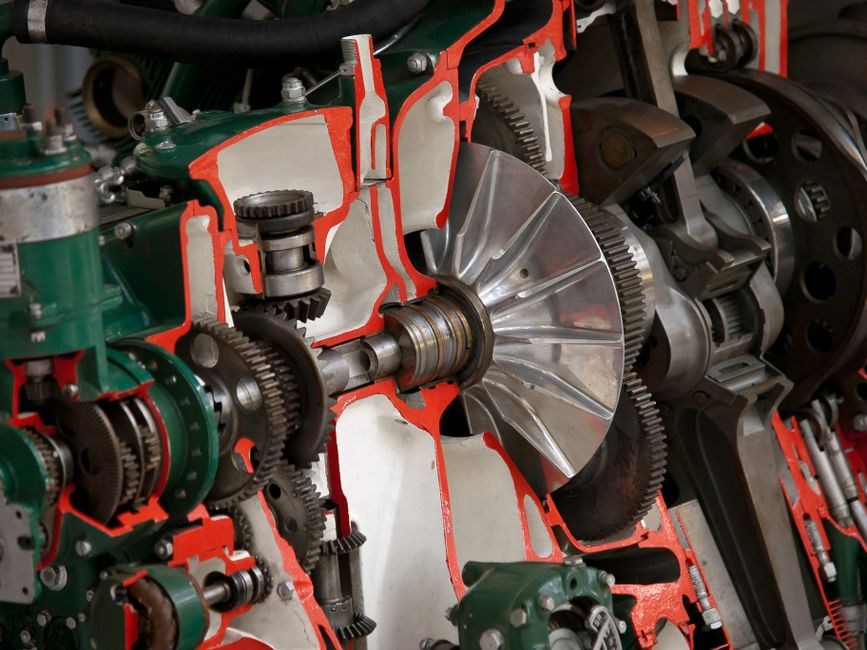
For electrical faults‚ the manual advises using a calibrated clamp meter to measure phase currents and comparing them with the rated values. If a phase loss is detected‚ the PDF instructs the user to inspect the phase cable for breaks‚ verify the terminal block‚ and check the drive’s phase‑loss detection settings. Mechanical faults‚ such as excessive vibration‚ are addressed by checking the mounting bolts and ensuring that the drive is level. The PDF also includes a vibration analysis chart that correlates RMS values with potential causes.
When performing maintenance‚ the drive must be isolated from the power supply and the emergency stop engaged. The PDF provides a lockout/tagout checklist to ensure safety compliance. After maintenance‚ the manual recommends running a diagnostic routine via the HMI or fieldbus to confirm that all parameters are within specification and that no residual faults remain. This systematic approach‚ documented in the PDF‚ helps extend the drive’s service life and minimizes downtime.
By following the PDF’s structured maintenance schedule‚ operators can detect early signs of wear‚ reduce costly repairs‚ and maintain optimal performance over the drive’s lifespan.